

 FR
FR  EN
EN  NL
NL 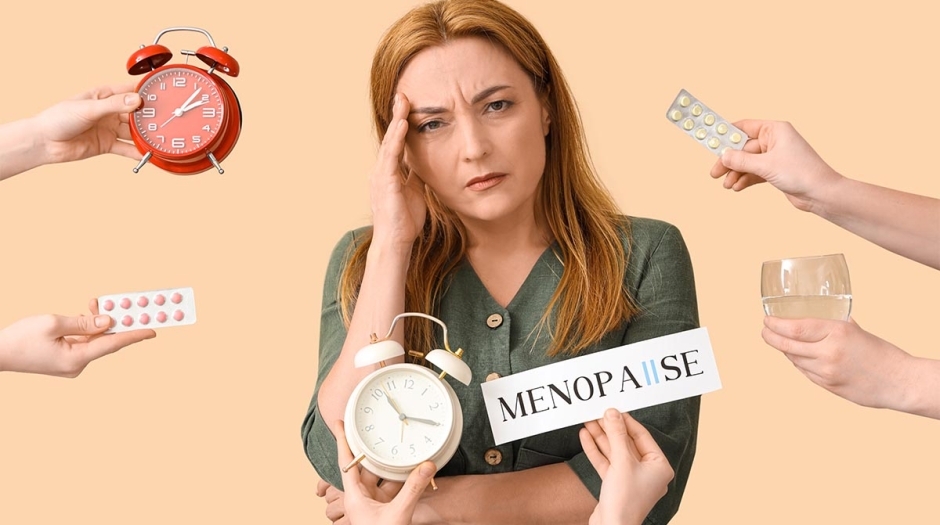
Menopause is a physiological transition that can be accompanied by different symptoms.
These manifestations are related to hormonal changes and may require medical evaluation.
Most common symptoms
The symptoms of menopause vary from one woman to another, but certain signs occur regularly:
- Hot flushes and night sweats
- Sleep disturbances, waking up during the night
- Irritability, emotional fluctuations, anxiety
- Persistent fatigue or low energy levels
- Weight gain, especially around the abdomen
- Decreased libido
- Vaginal dryness or intimate discomfort
- Loss of concentration, ‘brain fog’
- Drier skin, brittle hair
- Irregular heartbeat or palpitations (in some cases)
When these symptoms set in, personalised medical care can provide clear and lasting relief.
Where do menopause symptoms come from?
The changes observed during menopause are mainly related to:
- The gradual decline in oestrogen and progesterone
- Fluctuations in other hormones (thyroid, cortisol, insulin, etc.)
- The natural ageing of the ovaries
- Chronic stress, which amplifies symptoms
- Nutritional or metabolic imbalances
- Low-grade inflammation, which is common during this period
- Sleep disturbance, which increases fatigue and irritability
Understanding the biological origin of your symptoms allows for precise treatment.
Care is based on an individualized medical approach, adapted to the clinical situation.
It may include:
- a hormonal assessment
- hormonal treatment when indicated
- the correction of certain nutritional deficiencies
- dietary adaptations
- the consideration of sleep and stress
- medical follow-up with adjustment of treatment if necessary
The objective is to improve symptoms and adapt management according to clinical evolution.
Medical consultations of Dr Poutet
Dr Benoit Poutet supports you with a personalised approach grounded in scientific analysis and careful attention to your needs.
Book an appointment for a comprehensive assessment and tailored recommendations.